
Meibomian Gland Dysfunction and Dry Eye: Understanding the Connection

Meibomian Gland Dysfunction and Dry Eye: Understanding the Connection

Meibomian Gland Dysfunction and Dry Eye: Understanding the Connection

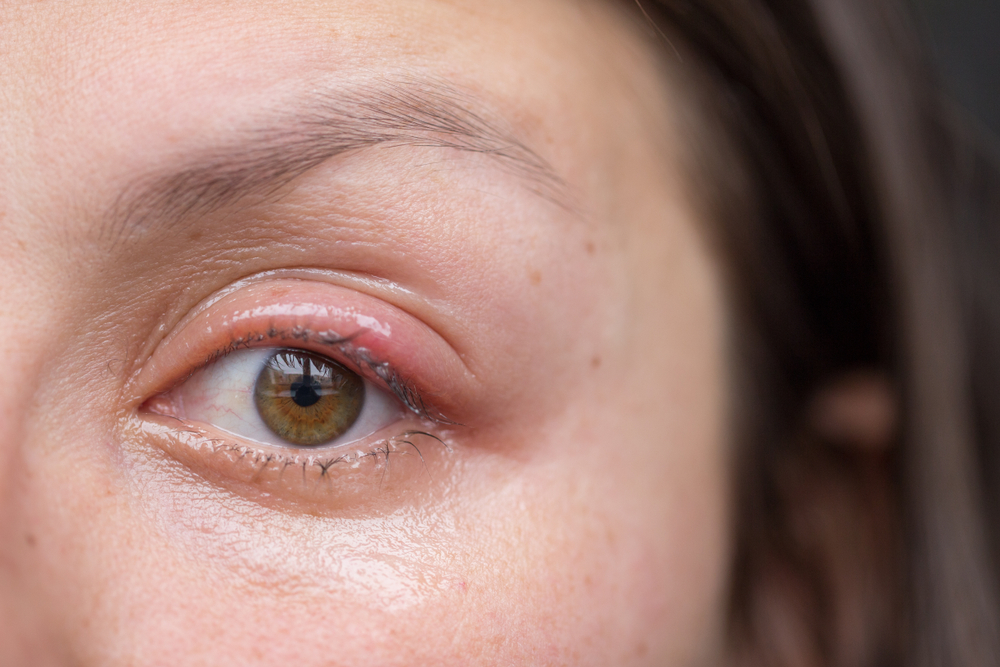
Dry, irritated eyes can have many causes, but one of the most common is a problem with the tiny oil-producing glands along the eyelids. This condition, known as meibomian gland dysfunction (MGD), is closely connected to evaporative dry eye. Understanding this connection can help explain why symptoms sometimes persist even when you regularly use artificial tears. At Kopolow & Girisgen Doctors of Optometry, we evaluate the underlying causes of dry eye so we can recommend care based on what is actually affecting the tear film.
What Is Meibomian Gland Dysfunction?
The meibomian glands are located along the edges of the upper and lower eyelids. They produce an oily substance called meibum that forms the outer layer of the tear film. This oil slows tear evaporation and helps keep the surface of the eye comfortable and properly lubricated. With meibomian gland dysfunction, these glands can become blocked or produce oil that is too thick or poor in quality. As a result, the tear film may evaporate faster than normal.
How MGD Leads to Dry Eye
Healthy tears contain water, oil, and mucus. Each component has an important role in keeping tears stable across the eye's surface. When there is not enough healthy oil from the meibomian glands, tears can break up too quickly.
This can cause evaporative dry eye, which may result in irritation even when the eyes appear to produce enough tears. Some patients actually experience excessive watering because the eyes respond to surface irritation by producing reflex tears. However, these watery tears may not provide long-lasting lubrication.
Signs You May Have MGD
Symptoms of meibomian gland dysfunction can vary, but common signs include:
• Burning, stinging, or gritty sensations
• Red or irritated eyes
• Fluctuating or blurry vision
• Watery eyes
• Eyelid tenderness or inflammation
• Sensitivity to light
• Discomfort that worsens with prolonged screen use
Because these symptoms can overlap with allergies, infections, and other eye conditions, an eye exam is important for identifying the cause.
How We Evaluate Dry Eye and MGD
A dry eye evaluation may include examining the eyelids, tear film, and surface of the eyes. We can also evaluate the quality of the oil released by the meibomian glands and look for signs of gland blockage or inflammation. Identifying whether MGD is contributing to dry eye helps us create a more targeted treatment plan rather than simply addressing symptoms.
Managing Meibomian Gland Dysfunction
Treatment depends on the severity of the gland dysfunction and other factors contributing to dry eye. Some patients may benefit from warm compresses, careful eyelid hygiene, lubricating eye drops, or prescription treatments. Additional therapies may also be recommended when persistent gland blockage or inflammation is present. The goal is to improve meibomian gland function, stabilize the tear film, and provide longer-lasting relief from dry eye symptoms.
If burning, watering, irritation, or fluctuating vision has become a regular problem, schedule a dry eye evaluation with Kopolow & Girisgen Doctors of Optometry to learn more about treatment options. Contact our office in Las Vegas, NV by calling (702) 452-2020 to book an appointment.


Powered by:

