
How In-Office Dry Eye Therapies Treat Desert Ocular Surface Disease in Las Vegas

How In-Office Dry Eye Therapies Treat Desert Ocular Surface Disease in Las Vegas

How In-Office Dry Eye Therapies Treat Desert Ocular Surface Disease in Las Vegas

How In-Office Dry Eye Therapies Treat Desert Ocular Surface Disease in Las Vegas
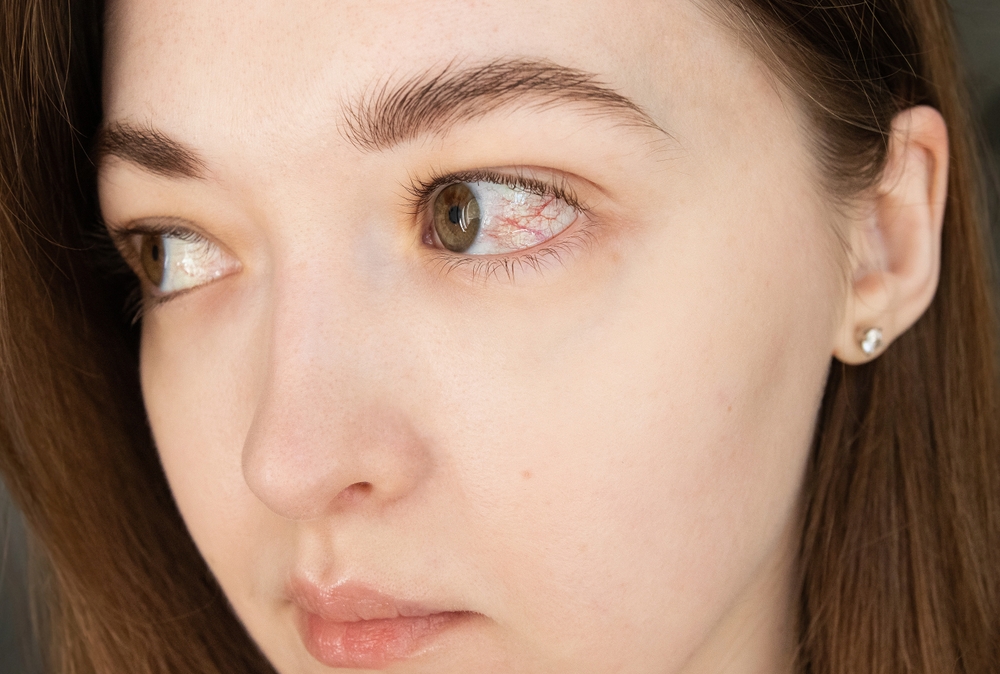
Burning, grittiness, and fluctuating vision can make everyday tasks uncomfortable. In Las Vegas, low humidity, wind, and air conditioning can increase tear evaporation and aggravate dry eye. At Kopolow & Girisgen Doctors of Optometry, we look for the underlying cause of your symptoms so we can recommend care that fits your eyes.
How Desert Conditions Affect Your Eyes
Your tear film protects the surface of your eyes and helps maintain clear vision. When tears evaporate too quickly or your eyes produce too few, the surface can become irritated and inflamed. Dry eye is one form of ocular surface disease that desert conditions can worsen.
The oil-producing meibomian glands along your eyelids also play an important role. When these glands become blocked or release poor-quality oil, tears lose some protection against evaporation. Dry air can add to that problem, making symptoms more noticeable throughout the day.
Why an In-Office Evaluation Matters
Artificial tears may ease discomfort, but persistent symptoms deserve a closer look. During a dry eye evaluation, we examine your eyelids, tear film, and ocular surface. We also review factors such as contact lens wear, screen habits, medications, and when your symptoms occur.
This helps us determine whether gland dysfunction, reduced tear production, inflammation, or a combination of problems is contributing to your discomfort. Treatment should address those findings rather than assuming every case of dry eye needs the same approach.
How In-Office Therapies Can Help
In-office dry eye therapies target specific problems that lubricating drops alone may not fully address. Depending on the diagnosis, procedures used in dry eye care can include:
Gland heating and expression: Controlled warmth softens thickened oils, while carefully applied pressure helps release material from blocked meibomian glands. This can improve oil flow and support tear film stability.
Professional eyelid cleaning: Removing accumulated debris along the eyelid margins may help manage associated eyelid inflammation. Ongoing home care may still be necessary.
Punctal plugs: Small plugs placed in the tear drainage openings help retain tears on the eye. These may be appropriate for selected patients, particularly when insufficient tear volume contributes to dryness.
These treatments serve different purposes. We can help you understand which approach may be appropriate and discuss the next steps for recommended care.
Supporting Treatment Between Visits
Managing dry eye in Las Vegas often requires a combination of professional care and daily habits. We may recommend lubricating drops, prescription medication, warm compresses, or an eyelid hygiene routine based on your exam.
At home, directing fans and air vents away from your face can reduce drying airflow. Regular screen breaks, complete blinking, and wraparound sunglasses outdoors may also help limit irritation.
What to Expect From Follow-Up Care
Dry eye often requires ongoing management. Improvement varies with the cause and severity, and some treatments require repeat visits. We monitor your symptoms and ocular surface health to determine whether your plan needs adjustment. The goal is better comfort and a more stable tear film over time.
Take the next step toward more comfortable eyes by scheduling a dry eye evaluation with Kopolow & Girisgen Doctors of Optometry in Las Vegas, NV, at (702) 452-2020.


Powered by:

