
The Importance of Retinal Imaging in AMD Detection

The Importance of Retinal Imaging in AMD Detection

The Importance of Retinal Imaging in AMD Detection

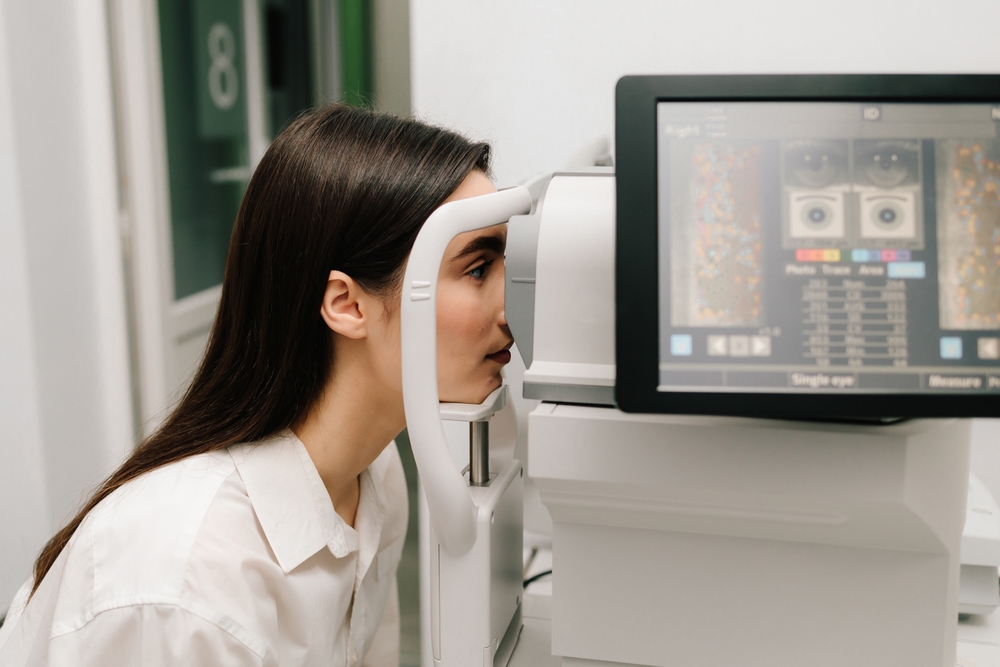
Age-related macular degeneration (AMD) is one of the leading causes of vision loss in adults over 50. Because AMD often develops silently, early detection is critical for preserving long-term vision. One of the most effective tools in identifying AMD early is advanced retinal imaging, particularly widefield technology such as Optos retinal exams.
What Is Age-Related Macular Degeneration (AMD)?
AMD affects the macula, the central part of the retina responsible for sharp, detailed vision used for reading, driving, and recognizing faces. There are two primary types:
Dry AMD, which develops gradually and is characterized by thinning of the macula and the presence of drusen deposits
Wet AMD, a more aggressive form caused by abnormal blood vessel growth that can lead to rapid vision loss
In its early stages, AMD may not cause noticeable changes in vision, which is why routine eye exams and advanced imaging are essential.
Why Retinal Imaging Matters for Early AMD Detection
Traditional eye exams are valuable, but they may not always reveal subtle retinal changes occurring beneath the surface. Retinal imaging allows optometrists to capture detailed images of the retina, helping detect early signs of AMD before symptoms appear.
Retinal imaging helps by:
Identifying drusen deposits and macular changes early
Monitoring subtle progression over time
Detecting abnormalities that may not be visible during a standard exam
Supporting earlier intervention and better long-term outcomes
Early detection allows for lifestyle recommendations, nutritional guidance, and monitoring strategies that can slow progression and protect vision.
The Advantage of Optos Retinal Imaging
Optos retinal imaging is an advanced technology that captures ultra-widefield images of the retina - often without the need for dilation. This allows your eye doctor to see up to 200 degrees of the retina in a single image, providing a more comprehensive view than traditional imaging methods.
Benefits of Optos retinal exams include:
A wide, detailed view of the retina and macula
Early detection of AMD and other retinal conditions
Comfortable, quick imaging process
High-resolution images that can be compared year over year
For patients at risk of AMD, Optos imaging provides a valuable baseline and allows for precise monitoring of even minor retinal changes.
Who Should Have Retinal Imaging for AMD?
Retinal imaging is especially important for individuals who:
Are over the age of 50
Have a family history of AMD
Smoke or have smoked in the past
Have cardiovascular disease or high blood pressure
Experience changes in central vision
Even patients without symptoms can benefit from retinal imaging as part of a comprehensive eye exam.
Ongoing Monitoring and Vision Protection
AMD is a progressive condition, but early detection and consistent monitoring can make a meaningful difference. Retinal imaging allows your optometrist to track changes over time and adjust care recommendations as needed. This proactive approach helps protect vision and maintain quality of life.
Schedule Your Retinal Exam Today
Retinal imaging is one of the most powerful tools available for the early detection and management of age-related macular degeneration. With advanced technology like Optos retinal exams, subtle changes in the retina can be identified sooner.
Contact Kopolow & Girisgen, Doctors of Optometry, to schedule a comprehensive eye exam with Optos retinal imaging and take an important step toward protecting your vision for the future. Text GLASSES to 21000, call us at (702) 452-2020, or book an appointment online Here.


Powered by:

