
What Is an Optos Retinal Exam? Why Vegas Patients Choose Widefield Imaging Over Traditional Dilation

What Is an Optos Retinal Exam? Why Vegas Patients Choose Widefield Imaging Over Traditional Dilation

What Is an Optos Retinal Exam? Why Vegas Patients Choose Widefield Imaging Over Traditional Dilation

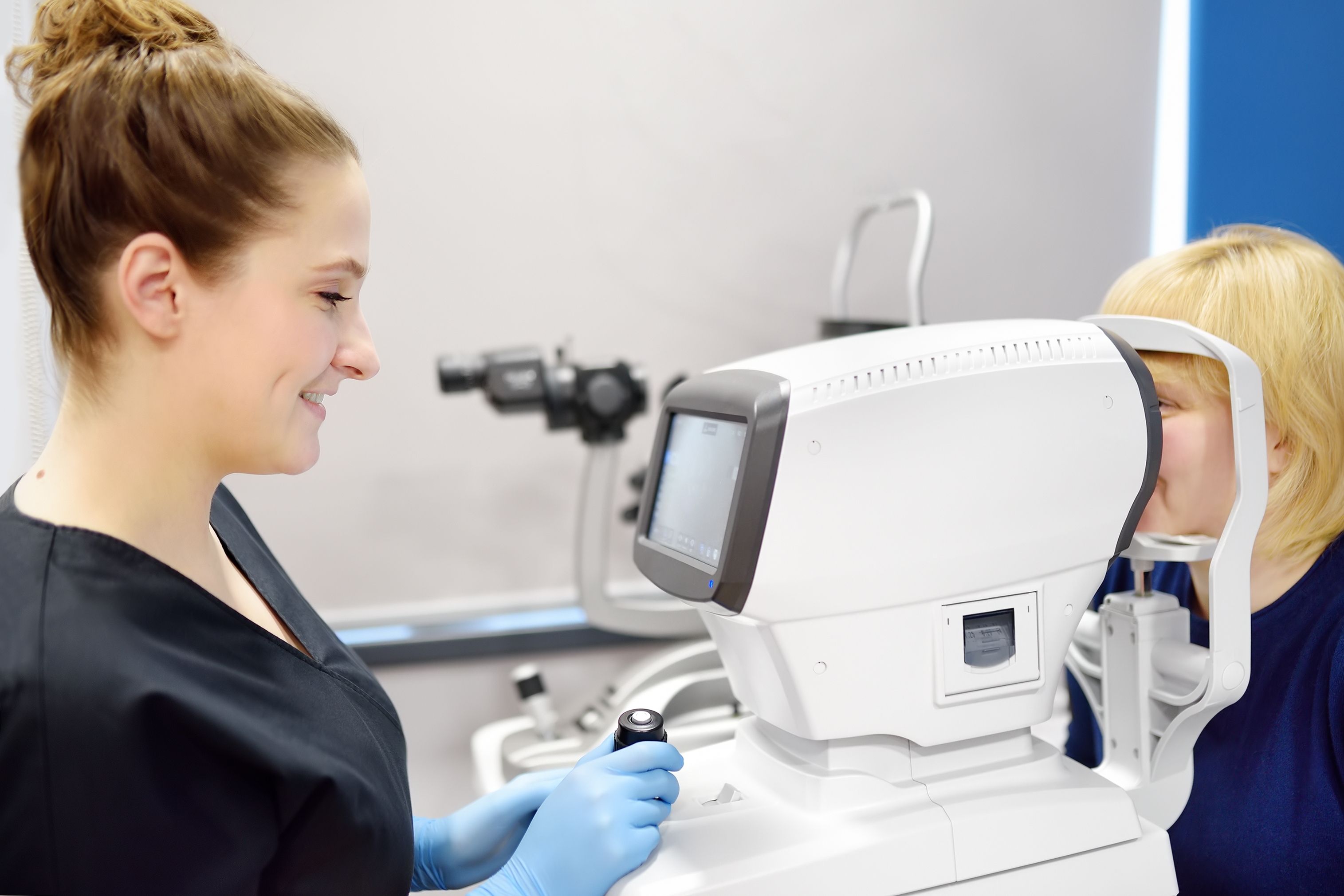
A comprehensive eye exam checks more than how clearly you see. It also gives your eye doctor a look at the retina, optic nerve, blood vessels, and other important structures inside the eye. Traditionally, this part of the exam often required dilation. Today, many patients ask about Optos retinal imaging because it can provide a widefield view of the retina quickly and comfortably.
At Kopolow & Girisgen Doctors of Optometry in Las Vegas, advanced retinal imaging can help patients better understand their eye health and why routine eye exams matter.
What Is An Optos Retinal Exam?
An Optos retinal exam uses ultra-widefield imaging to capture a detailed image of the back of the eye. The retina is the light-sensitive tissue that helps you see. It can also show signs of eye disease and certain health conditions.
Instead of viewing only a small portion of the retina at one time, widefield imaging allows the eye doctor to see more of the retinal surface in a single image. This can be helpful for screening, monitoring, and documenting changes over time.
How Is It Different From Traditional Dilation?
Dilation uses eye drops to enlarge the pupils so the doctor can look into the back of the eye. It remains an important part of eye care and may still be needed depending on your symptoms, risk factors, or exam findings.
Optos imaging is different because it captures a widefield retinal image without always requiring dilation for every patient. The image can be reviewed during your visit and saved as part of your eye health record. This makes it easier to compare changes from year to year.
Why Las Vegas Patients Like Widefield Imaging
Many patients in Las Vegas have busy schedules and prefer exams that are efficient, comfortable, and easy to understand. Optos retinal imaging can be appealing because it offers a detailed look at eye health without the same temporary light sensitivity or blurry near vision that often follows dilation.
Patients may appreciate widefield imaging because it can help detect or monitor:
- Diabetic eye changes
- Retinal holes, tears, or detachments
- Macular degeneration
- Glaucoma-related optic nerve concerns
- High myopia-related retinal changes
- Blood vessel changes linked to health conditions
- Eye inflammation or other retinal abnormalities
These images can support earlier detection and better tracking of eye health over time.
Does Optos Replace Dilation?
Optos imaging does not always replace dilation. Your eye doctor may still recommend dilation if they need a more detailed view, if you have symptoms such as flashes or floaters, or if you have certain medical or eye health risks.
The benefit of Optos is that it gives your doctor another valuable tool. In many routine situations, it can provide a broad view of the retina and help guide whether further testing is needed.
What To Expect During The Exam
Optos imaging is quick and non-invasive. You look into the imaging device while it captures a retinal photo. The process usually takes only moments, and there is no contact with the eye.
Afterward, your eye doctor can review the image with you. Seeing your own retinal image can make it easier to understand what your doctor is checking and why certain findings matter. For many patients, this is one of the most helpful parts of the exam.
Why Retinal Exams Matter Even If You See Clearly
Many eye diseases begin without obvious symptoms. You may have clear vision and still have early retinal changes, pressure concerns, or signs of systemic health issues. That is why regular comprehensive eye exams are important for adults, children, seniors, contact lens wearers, and patients with diabetes or high blood pressure.
For Las Vegas patients, sun exposure, screen time, dry air, and long driving distances can make eye comfort and vision needs more noticeable, but retinal health should not be overlooked.
To schedule a comprehensive eye exam and ask about Optos retinal imaging, contact Kopolow & Girisgen Doctors of Optometry in Las Vegas, NV at 7361 W Lake Mead Blvd #104, Las Vegas, NV 89128, or call (702) 452-2020.


Powered by:

